The future of one of Shropshire’s most significant historic landscapes has entered a new chapter. From spring 2026, the National Trust took on the care and management of the museums and heritage sites that represent the birthplace of the Industrial Revolution within the Ironbridge Gorge World Heritage Site. The transfer brought ten museum sites into National Trust care, supported by a £9 million investment from the Department for Culture, Media and Sport. But this is about more than a change in who manages a collection of museums.
The Ironbridge Gorge is a complex historic environment, bringing together industrial buildings, monuments, landscapes, infrastructure, collections and the communities that have developed around them. The challenge now is not simply how to preserve what remains, but how to ensure this remarkable heritage continues to be understood, used and valued by future generations. For architects, conservation professionals and those involved in the future of historic buildings, Ironbridge provides an interesting example of how conservation, adaptation, sustainability and visitor experience can work together.
The transfer of the Ironbridge museums to the National Trust represents a significant change in the stewardship of the site. The Ironbridge Gorge museums include places such as Blists Hill Victorian Town, the Museum of Iron, Jackfield Tile Museum, Coalport China Museum and the Museum of the Gorge. Together, they tell the story of the people, materials, technologies and industries that helped shape the modern world.
The National Trust has described the Ironbridge Gorge as a globally important UNESCO World Heritage Site, made up of buildings, structures and artefacts with international, national and local significance. The scale of the responsibility is considerable. The transfer included a designated collection of around 400,000 objects, alongside property including listed buildings and scheduled monuments. The £9 million investment from the Department for Digital Culture, Media and Sport has helped make the transfer possible, providing a foundation for the National Trust’s long-term plans for the site. The transition is already bringing changes for visitors, with sites being reopened progressively throughout 2026 while conservation, operational and infrastructure work continues.
For the Ironbridge Gorge Museums National Trust transition, therefore, the focus is not simply on reopening doors. It is about establishing a long-term approach to caring for an extensive and interconnected heritage environment.
The importance of the Ironbridge Gorge Shropshire area goes far beyond individual buildings. The UNESCO designation recognises a landscape containing mines, foundries, factories, workshops, warehouses, workers’ housing, public buildings, transport infrastructure and traditional landscapes. The Gorge provides an unusually complete picture of the development of an industrial region. This makes Ironbridge particularly interesting from an architectural perspective.
Historic buildings do not exist in isolation. Their significance can be closely connected to their surroundings, the materials from which they were constructed, the way they were used and the communities that developed around them. The Ironbridge Gorge World Heritage Site demonstrates this particularly clearly. The Iron Bridge itself, the industrial buildings of Coalbrookdale, the former works at Coalport and Jackfield, workers’ housing and the wider landscape all contribute to the story of the area.
Conservation therefore needs to consider more than the physical condition of a single building. It also needs to consider how buildings relate to one another and to the wider landscape. UNESCO identifies the wider historic landscape as an important part of Ironbridge’s significance, highlighting the relationship between its industrial remains, buildings, infrastructure and surrounding landscape.
That wider context is an important consideration whenever historic places are adapted for modern use.
Architectural conservation is the careful management of change to buildings and places with historic or architectural significance. It aims to protect important features, materials and character while allowing appropriate repairs, adaptation and continued use where suitable. Conservation does not necessarily mean leaving a building unchanged. Sensitive intervention can help historic buildings remain functional, accessible and relevant while protecting the qualities that make them significant.
In many cases, conservation involves carefully balancing the need to retain historic fabric and character with the practical requirements of modern use. For historic buildings, this can mean understanding the original materials and construction methods, identifying significant features, assessing the condition of the building and determining which changes are appropriate.
It can also involve adapting a building so that it can continue to serve a useful purpose. This distinction is particularly relevant to the Ironbridge museums. Many of the buildings and sites need to accommodate modern visitors while retaining the character and evidence of their industrial past.
That creates a series of architectural questions…
There is rarely one simple answer. Successful conservation is often about understanding the building first and then developing an appropriate response.
One of the biggest challenges facing historic buildings is finding the right balance between conservation and adaptation. A building that is preserved perfectly but cannot be accessed, understood or used may struggle to remain relevant. Equally, adapting a historic building without sufficient regard for its original character can remove the very qualities that make it special.
The answer lies somewhere between the two.
Adaptation can allow historic buildings to continue serving a purpose while meeting contemporary expectations around accessibility, safety, comfort and usability. At Ironbridge, this is already part of the visitor experience. The National Trust’s current approach includes work to improve access across a portfolio of indoor museums, open-air sites and historic buildings, while recognising that different buildings have different constraints.
This is an important principle for heritage projects more broadly.
There is no universal solution for historic buildings. A former factory, workers’ cottage, museum, industrial structure and Victorian building may all require very different approaches. The architectural response needs to be shaped around the individual building, its significance and the people who will use it.
Sustainability is another increasingly important consideration for heritage projects. Older buildings can present particular challenges when it comes to energy efficiency, heating, ventilation, insulation and modern building standards. Simply applying the same approach used for a new-build project is rarely appropriate. Instead, sustainable heritage design can involve understanding how an existing building performs before considering where improvements can be made. This might include improving energy efficiency, upgrading building services, introducing more efficient heating systems or carefully considering insulation and ventilation.
The wider principle is simple… extending the useful life of an existing building can itself be an important part of sustainable design. Rather than automatically replacing historic buildings with new construction, sensitive refurbishment and adaptation can help retain embodied materials, preserve cultural heritage and keep buildings in active use.
For the Ironbridge Gorge Telford area, this approach could be particularly significant. The value of the site comes from the survival of its historic buildings and wider landscape, meaning conservation and sustainability need to be considered together rather than as separate priorities.
A heritage building is a building that has recognised historical, architectural, cultural or social significance. Its value may come from its age, design, association with important people or events, construction, use or relationship with the surrounding area. Heritage buildings can include listed buildings, historic industrial structures, traditional homes, public buildings and other structures that contribute to the character and history of a place.
For architects, working with heritage buildings means understanding that significance before considering how the building can be repaired, adapted or brought into modern use.
Heritage conservation is ultimately about people. The buildings and collections at Ironbridge tell stories about industrialisation, innovation, work, communities and everyday life. Ensuring those stories remain accessible and engaging is an important part of the site’s future.
The National Trust has identified increasing access to heritage as one of its ambitions for Ironbridge, including tackling barriers such as cost, transport and relevance.
These questions demonstrate how architectural design, conservation and visitor experience are interconnected. The physical environment can influence how successfully people understand and engage with a heritage site.
The future of the Ironbridge museums is not simply about preserving the past. It is about finding ways for that past to remain meaningful. The National Trust’s current plans include continuing to develop events, programming and storytelling across the site, alongside the phased reopening and restoration of different locations. That approach recognises that heritage needs to be experienced rather than simply observed.
Ironbridge has the potential to demonstrate how a historic landscape can continue to evolve while retaining its identity. The challenge is to ensure that new facilities, accessibility improvements, technology and visitor infrastructure complement the historic environment rather than competing with it.This is where thoughtful architectural design can play an important role.
Good heritage design should not necessarily attempt to make everything look old. Instead, it should understand what makes a place significant and use that understanding to inform appropriate interventions.
The National Trust takeover provides an opportunity to consider the Ironbridge Gorge as a connected heritage landscape rather than simply a collection of individual attractions.
These are not questions with straightforward answers. What they do demonstrate is the complexity of managing a site such as Ironbridge. Conservation, planning, architecture, sustainability, tourism, accessibility and community engagement all have a role to play.
The future of the Ironbridge Gorge will ultimately depend on finding the right balance between protecting what makes the site special and allowing it to continue evolving.
At Johnson Design Partnership, we believe architecture should respect people, materials and surroundings while creating a positive impact on the communities in which projects sit. Working with historic buildings requires a careful understanding of their existing character, their surroundings and the opportunities and constraints associated with adapting them for contemporary use. Our experience includes projects involving listed buildings, conservation areas, refurbishment and the sensitive relationship between historic and contemporary architecture.
Our work on Bishop Percy’s House in Bridgnorth, for example, involved the careful refurbishment and conversion of a Grade I listed 16th-century half-timbered building, creating a new use while retaining the character and significance of the historic property.
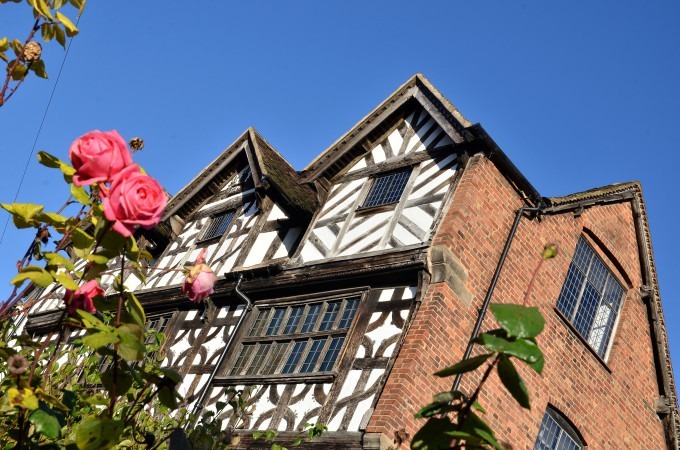
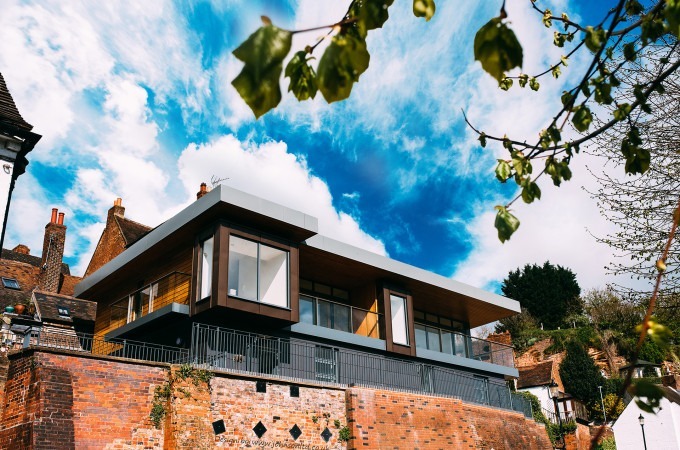
We’ve also carried out work on the Visitor Centre at the Museum of the Gorge in Ironbridge. The project showcases how thoughtful architectural intervention can help historic places bring new life into them. We helped create a space that appreciates the industrial heritage by balancing the requirements of a modern visitor centre with the existing heritage of the site.
This type of project demonstrates that conservation does not have to mean standing still. With careful design, historic buildings can be adapted for modern needs while continuing to tell their stories.
Our commitment to conservation is also reflected in the continued development of our team of architects. One of our architects is currently completing the RIBA Conservation Course to further develop their knowledge and understanding of historic buildings and conservation principles required when working within historic buildings and environments. This ongoing learning strengthens our ability to provide informed, considered advice on projects involving listed buildings and other heritage assets.
The future of places such as Ironbridge will require the same balance… respecting the past while considering how historic buildings and landscapes can continue to work for people today and in the future.
If you are considering a project involving a listed building, conservation area or sensitive historic site, Johnson Design Partnership can help you explore the opportunities and constraints from the earliest stages of the project.